
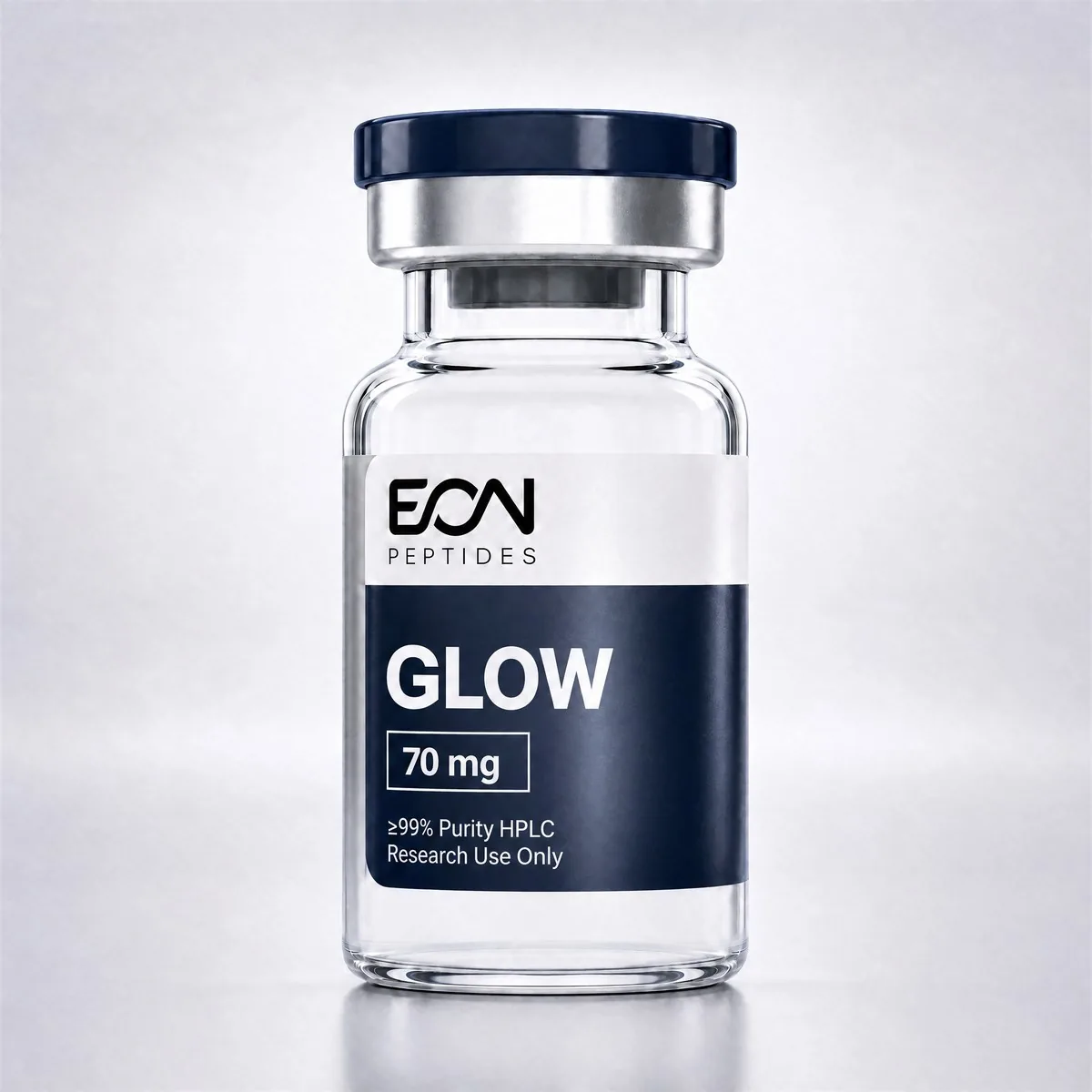
Showing 4 compounds in Peptide Blends · all 31 compounds
About peptide blends
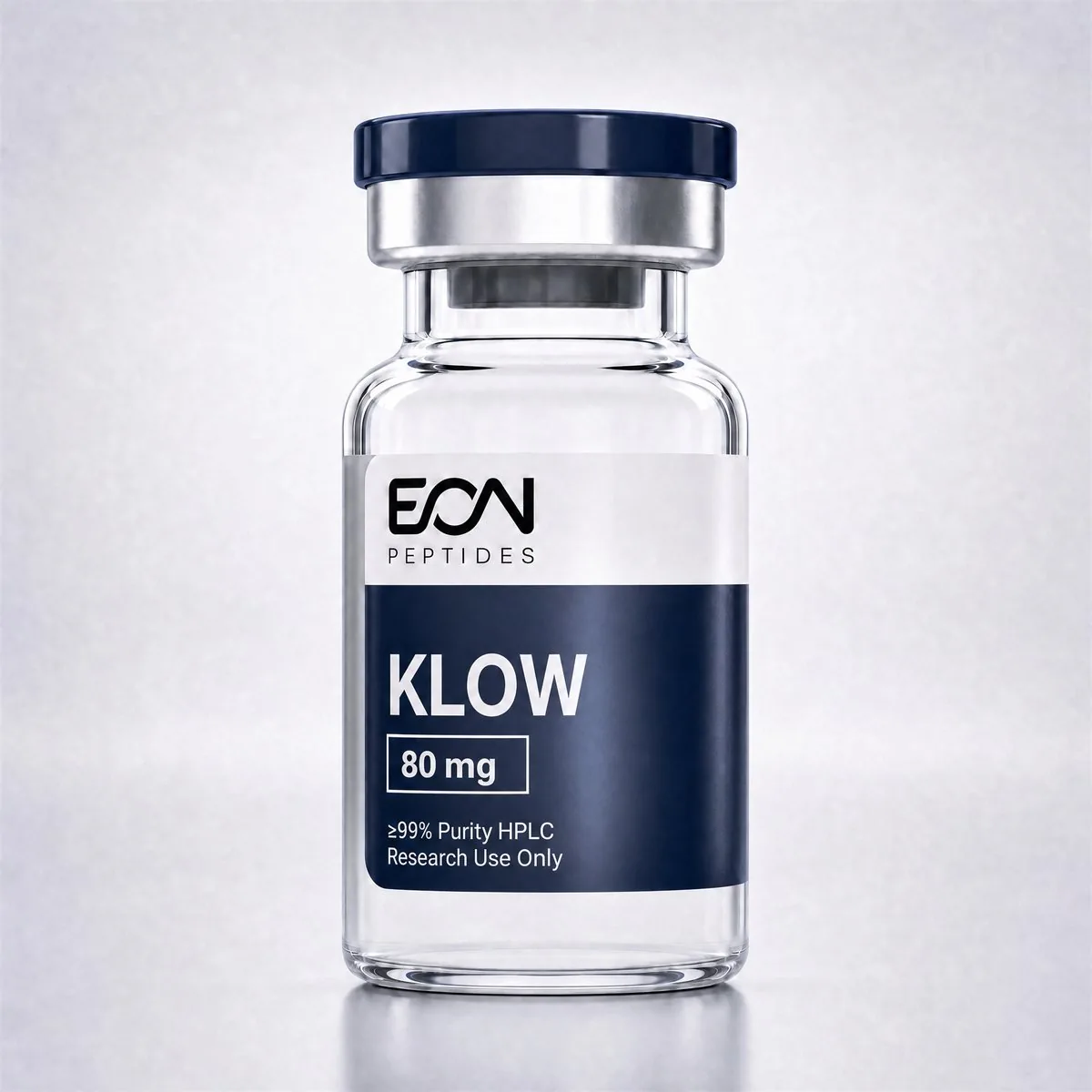
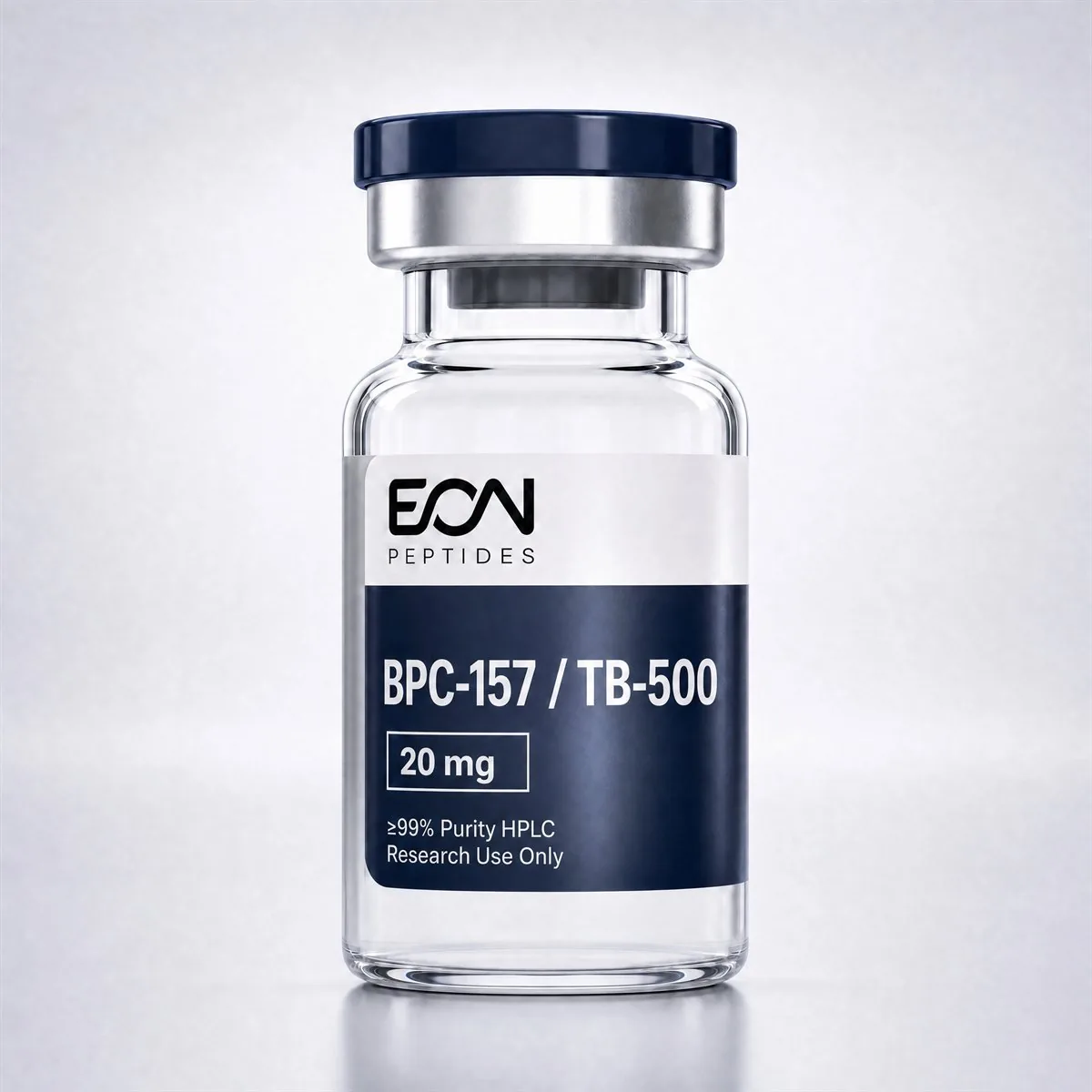
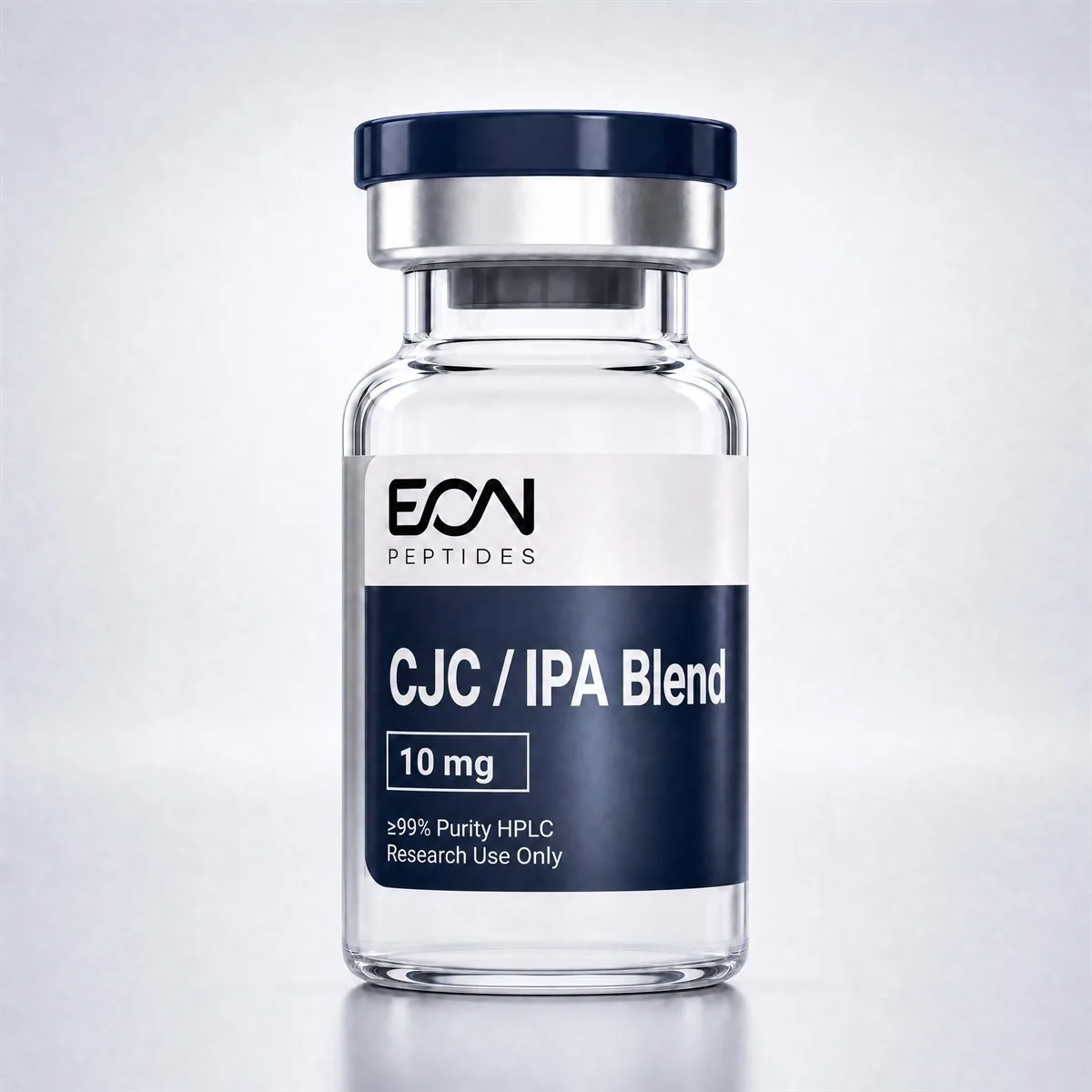
A blend is several peptides freeze-dried together into a single vial. On this site a blend is defined by its component list and the labelled mass of each component, not by a claimed effect. The four blends carried here are GLOW (GHK-Cu, BPC-157, TB-500), KLOW (the GLOW components plus KPV), the BPC-157/TB-500 pair, and the CJC-1295/Ipamorelin pair.
Blends are tested the same way as single compounds. The certificate for a blend lot reports HPLC purity, identity confirmation and, on the current laboratory layout, a compound table with the measured mass of each component per unit. Reading a blend certificate means checking that every named component appears in that table.
Two chemistry notes apply to blends and not to single compounds. First, GHK-Cu is a copper(II) complex, so blends that contain it are blue powders; a GLOW or KLOW vial that is not blue is a vial to question. Second, co-lyophilised peptides share a solution once dissolved, so a copper-binding component and a histidine-containing component are in contact; this matters for analytical work on the mixture.
Each product page below lists the components, the labelled mass per component, the sizes available and the current lot's certificate. The research library carries a monograph for each single component.
Questions
What is a research peptide blend?
Two or more peptides co-lyophilised into one vial, defined by the component list and the labelled mass of each component. GLOW has three components, KLOW four, the BPC-157/TB-500 and CJC/IPA blends two each.
How are blends tested?
By reversed-phase HPLC for purity and by mass or retention match for identity, per lot. Current certificates carry a compound table with the measured mass of each component per unit.
What is the difference between GLOW and KLOW?
KLOW is GLOW plus KPV. Both contain GHK-Cu, BPC-157 and TB-500; KLOW adds the tripeptide KPV for a total labelled mass of 80 mg against GLOW's 70 mg.
Why are GLOW and KLOW blue?
GHK-Cu is a copper(II) complex and the largest component by mass, and copper(II) coordinated by peptide nitrogens is blue. The other components are white powders.
Other collections
For laboratory research use only. Not for human or veterinary use. Every lot ships with a third-party Certificate of Analysis.